
How to Show Your Dog or Cat Love They Can Actually Feel
Feb 01, 2026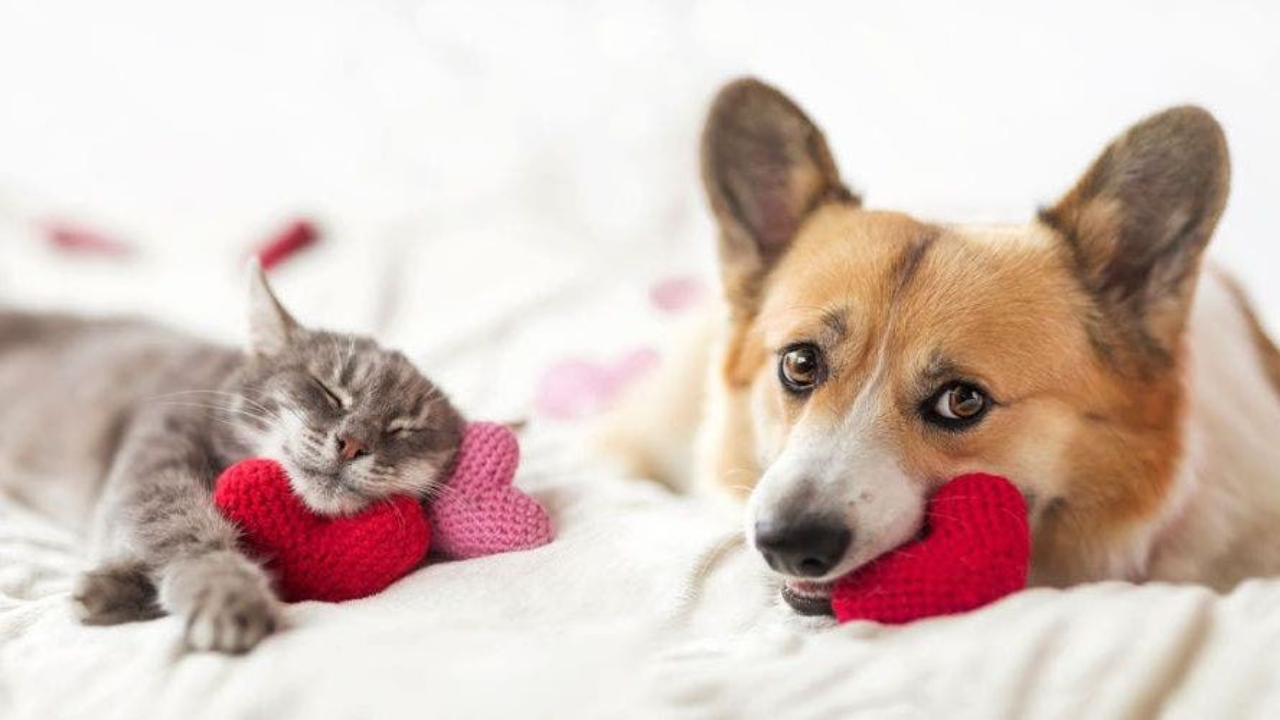
Valentine’s Day often comes with treats, toys, and photos. While those things look sweet, pets measure love through comfort, trust, and how their bodies feel. Grooming plays a bigger role in that than many people realize.
A coat free of mats feels better. Clean skin feels better. Calm handling feels better. For dogs and cats alike, grooming becomes one of the clearest ways you show care.
Whether you groom at home, plan to groom professionally, or already work with pets every day, Valentine’s Day offers a reminder: love shows up through skill and patience, not just presents.
Table of Contents
- Love Starts With Comfort, Not Cosmetics
- Valentine’s Day Grooming Looks Different for Dogs and Cats
- Making Grooming Feel Like a Positive Experience
- DIY Grooming as an Act of Love
- Grooming as Bonding, Not Obligation
- When Grooming Feels Hard, Education Helps
- Valentine’s Day Is About Long-Term Care
- Valentine’s Day Grooming FAQs
- Grooming Is One of the Clearest Ways Pets Feel Loved
Love Starts With Comfort, Not Cosmetics
Grooming becomes meaningful when it improves how your pet feels.
Healthy Coats Feel Like Care
Matted fur pulls at skin. Dirty coats trap moisture and odor. Regular brushing and bathing remove discomfort before it turns into irritation. Comfort communicates love.
Clean Skin Supports Overall Health
Skin issues often hide under fur. Grooming creates opportunities to notice redness, flakes, or changes early. Attention protects well-being.
Grooming Builds Trust Through Touch
Consistent, respectful handling teaches pets that your hands mean safety. Trust deepens bonds.
Valentine’s Day Grooming Looks Different for Dogs and Cats
Dogs and cats express comfort in different ways, and grooming should respect that.
Dogs Often Seek Interaction
Many dogs enjoy routine and physical contact. Grooming becomes another shared activity when handled with clarity. Routine reassures dogs.
Cats Value Control and Boundaries
Cats prefer short sessions and clear limits. Allowing breaks reduces tension and builds cooperation. Choice builds trust.
Both Species Respond to Predictability
Using the same order and pace helps pets relax into grooming. Structure reduces stress.
Making Grooming Feel Like a Positive Experience
Fun grooming grows from success, not distraction.
Start With Calm Preparation
Choose a quiet space with a stable footing. Remove distractions before beginning. The environment sets the tone.
Use Gentle, Purposeful Handling
Firm support prevents slipping. Clear positioning prevents panic. Stability creates security.
Keep Sessions Short and Successful
Stopping before frustration teaches pets that grooming ends well. Positive endings matter.
DIY Grooming as an Act of Love
At-home grooming works best with realistic expectations.
Brushing Is the Real Gift
Regular brushing prevents mats and reduces shedding. For many pets, this matters more than haircuts. Maintenance prevents discomfort.
Tool Choice Shapes Comfort
Tools should match coat type and length. Incorrect tools pull and frustrate. Knowledge prevents pain.
Cats Need a Different Approach
Many cats groom themselves well, but still benefit from brushing and nail care. Gentle handling keeps sessions manageable. Respect earns cooperation.
Grooming as Bonding, Not Obligation
Valentine’s Day reframes grooming as connection.
Slow Down and Stay Present
Rushing creates tension. Calm pacing builds trust. Presence improves outcomes.
Watch Your Pet’s Signals
Tail movement, ear position, and muscle tension guide your next step. Observation prevents conflict.
Celebrate Small Wins
A calm paw trim or a cooperative brushing session deserves praise. Progress builds confidence.
When Grooming Feels Hard, Education Helps
Difficulty often signals a gap in understanding.
Behavior Improves With Better Handling
Pets respond to clarity more than force. Understanding changes in behavior.
Technique Protects Comfort
Correct brushing and restraint reduce resistance and injury. Skill supports safety.
Confidence Changes the Experience
When you know what to do next, pets feel it. Confidence spreads calm.
Valentine’s Day Is About Long-Term Care
One day highlights habits that matter all year.
Regular Grooming Prevents Bigger Problems
Small efforts reduce the need for stressful fixes later. Consistency saves stress.
Dogs and Cats Both Benefit From Routine Care
Each species needs care tailored to their needs. Customization shows respect.
Education Keeps Love From Becoming Stress
Knowing how to groom prevents frustration on both sides. Knowledge supports patience.
Valentine’s Day Grooming FAQs
How can I make grooming less stressful for my dog or cat?
Stress drops when grooming feels predictable. Use the same space, order, and tools each time. Keep sessions short and end on a calm note. Dogs and cats respond better when they know what comes next and feel supported rather than restrained.
Is grooming really a way to show my pet love?
Yes. Pets feel love through comfort and care. Removing mats, keeping skin clean, and handling them with patience improves how their bodies feel. That physical comfort strengthens trust and the bond you share.
What if my pet hates grooming no matter what I try?
Resistance often points to discomfort or confusion. Check your tools, handling technique, and session length. Many pets improve when grooming becomes shorter and more structured. Education helps you identify what causes the resistance and how to adjust.
Are dogs and cats supposed to be groomed the same way?
No. Dogs often tolerate longer sessions and benefit from routine. Cats prefer short sessions and clear boundaries. Respecting those differences prevents frustration and improves cooperation.
How often should I groom my dog or cat?
Frequency depends on coat type, lifestyle, and shedding patterns. Long coats require more frequent brushing. Short coats still benefit from regular maintenance. Cats often need less frequent grooming but still require brushing and nail care.
Can I groom my pet at home without professional training?
Yes, basic grooming can be done at home with proper knowledge. Understanding coat care, handling, and tool use prevents injury and stress. Education makes DIY grooming safer and more effective.
What grooming tasks should I avoid doing at home?
Complex mat removal, severe coat neglect, and advanced trimming carry higher risk. When grooming feels overwhelming or your pet shows distress, professional support protects both of you.
How does grooming education improve pet behavior?
Education improves handling, timing, and technique. Pets respond to clarity and stability. When grooming feels controlled and predictable, behavior improves naturally.
Is grooming school only for professional groomers?
No. Grooming education benefits pet parents, beginners, and experienced professionals. Learning how coats behave and how animals respond to handling improves grooming outcomes at every level.
Why does my pet behave better for some groomers than others?
Pets respond to confidence, structure, and clear handling. Groomers with strong technique create calm environments. Education shapes that consistency.
Grooming Is One of the Clearest Ways Pets Feel Loved
Pets do not measure love by calendars. They feel it through comfort, trust, and consistent care. Grooming, when done with understanding, becomes one of the most direct ways to express that.
If you want grooming to feel calmer, safer, and more meaningful, whether you care for your own pet, plan to groom professionally, or already work with dogs and cats, Groomers University offers education designed for every level. When knowledge guides your hands, grooming becomes an act of love your pet can truly feel.