
How Groomers Can Protect Their Health and Extend Their Careers
Jan 08, 2026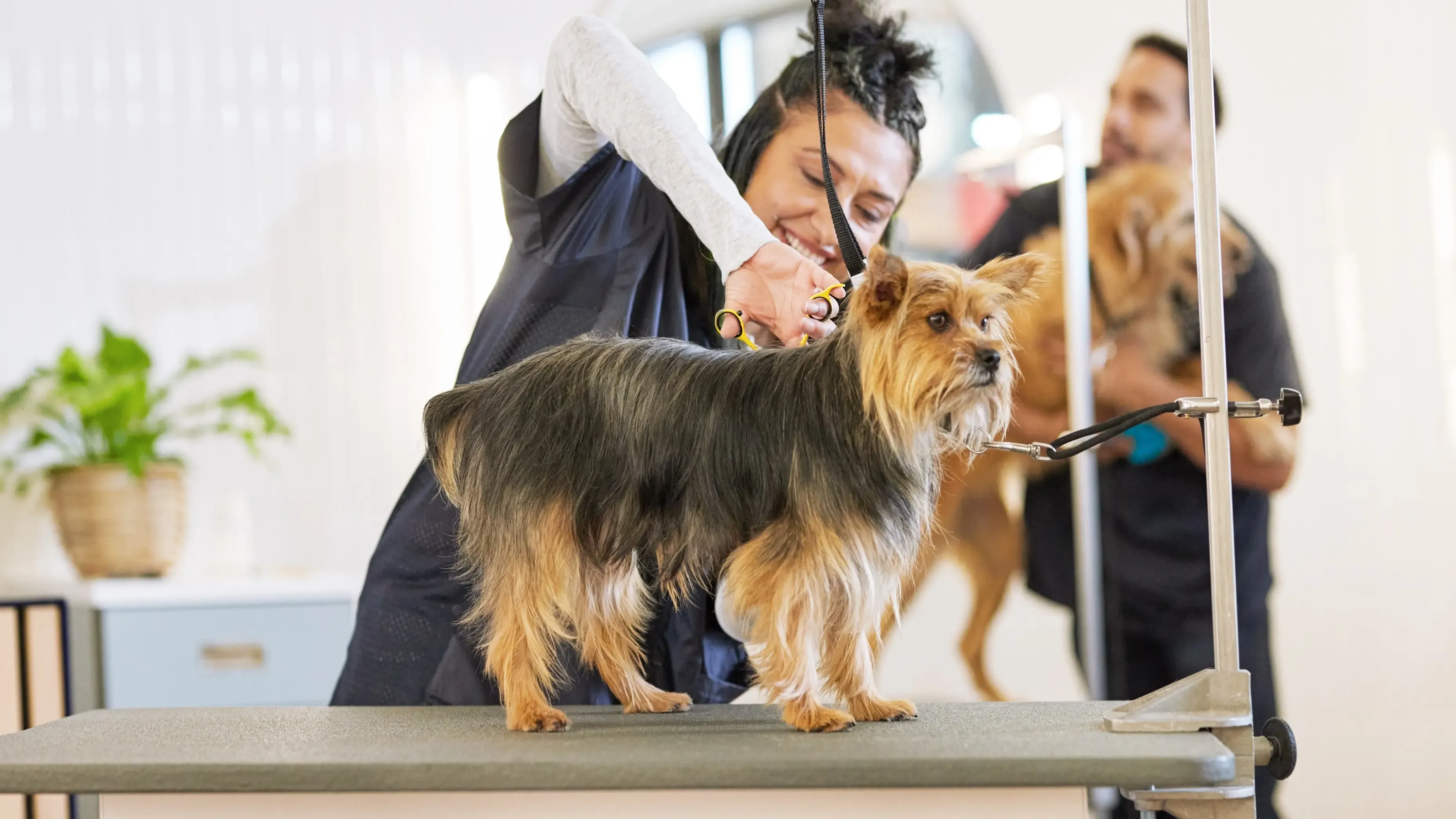
The New Year does not whisper to groomers. It speaks through sore wrists, tight shoulders, and backs that ache before the first dog hits the table. The holiday rush ends, adrenaline fades, and your body hands you an invoice.
Here’s the truth most groomers learn late: talent does not protect your body. Passion does not protect your joints. Experience does not prevent injury. Only education, technique, and structure do.
This year does not need another promise to “push through.” It needs a reset that keeps you grooming next year and the year after that.
Table of Contents
- Why Groomer Injuries Spike After the Holidays
- Resolution #1: Audit How Your Body Feels, Not Just Your Schedule
- Resolution #2: Fix Handling and Positioning Before Anything Else
- Resolution #3: Rethink Scissoring and Tool Use
- Resolution #4: Build a Workflow That Protects Your Body
- Resolution #5: Address Burnout Before It Reaches Your Body
- Resolution #6: Stop Relying on Experience Alone
- Resolution #7: Treat Your Body as Business Infrastructure
- How to Make This Resolution Stick All Year
- A Healthier Body Builds a Stronger Career
Why Groomer Injuries Spike After the Holidays
January exposes what volume hides.
Repetition Compounds Damage
During peak season, you repeat the same motions hundreds of times a day. Scissoring. Lifting. Bracing. According to the Bureau of Labor Statistics, musculoskeletal injuries remain one of the leading causes of career interruption in grooming-related fields.
Damage builds quietly, then announces itself.
Speed Masks Inefficiency
When books stay full, inefficiency feels invisible. You rush. You compensate. You grip harder instead of adjusting technique. Once volume drops, pain takes center stage.
Speed without structure always collects interest.
Groomers Normalize Pain
Many groomers accept discomfort as part of the job. That belief shortens careers. Studies published in Occupational Ergonomics link early intervention and ergonomic training to longer career spans in hands-on professions.
Pain is information, not a badge.
Resolution #1: Audit How Your Body Feels, Not Just Your Schedule
Your body keeps records even when you do not.
Identify Where Pain Shows Up
Pay attention to patterns. Wrists after scissoring. Shoulders after large dogs. Lower back after bathing. Pain that repeats points to technique problems, not weakness.
Your body flags inefficiency before injury.
Separate Fatigue From Injury Signals
Fatigue fades with rest. Injury persists. Tingling, numbness, and sharp pain require attention. Ignoring early signs leads to forced time off later.
Listening early preserves choice.
Stop Treating Pain as Normal
Discomfort should trigger change. Technique exists to reduce strain. Education teaches how to use it.
Suffering does not equal professionalism.
Resolution #2: Fix Handling and Positioning Before Anything Else
How you touch dogs determines how long you groom.
Let the Table Do the Work
Table height matters. Dogs should meet your hands, not pull your shoulders down. Improper height increases spinal load and wrist strain.
Adjusting equipment protects your frame.
Replace Bracing With Balance
Many groomers brace dogs using strength instead of positioning. Proper stance and controlled holds reduce resistance. Research in animal handling shows that balanced positioning lowers force requirements.
Control comes from leverage, not muscle.
Learn Low-Stress Handling Techniques
Low-stress handling protects dogs and groomers. Reduced resistance lowers injury risk. Calm dogs move less. Less movement means fewer strain injuries.
Safety works both ways.
Resolution #3: Rethink Scissoring and Tool Use
Hands fail before ambition does.
Grip Causes Damage Faster Than Motion
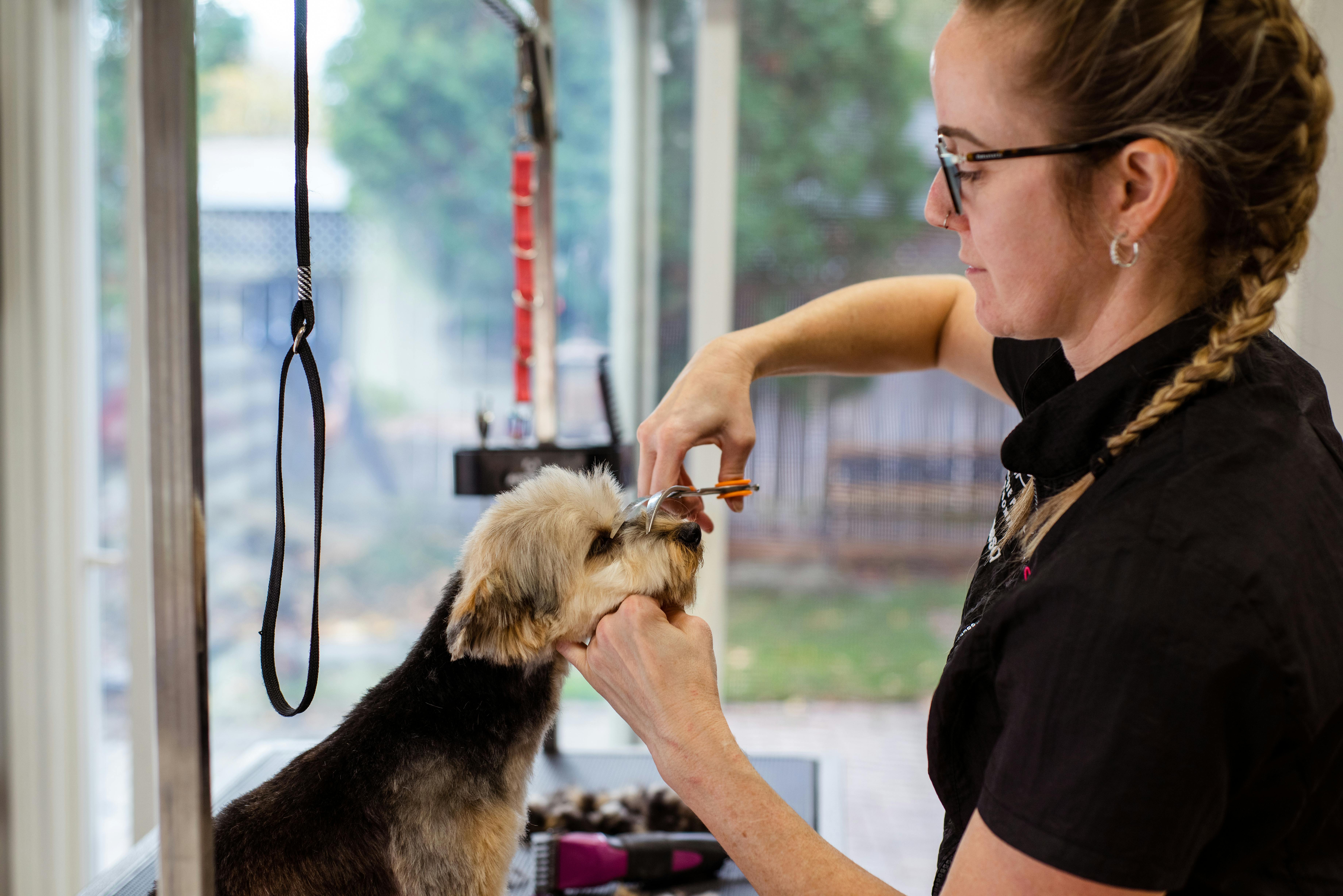
Death-gripping shears strains tendons. Proper finger placement distributes force. Tool balance matters as much as sharpness.
Tools should work for you.
Cut With Structure, Not Force
Clean prep reduces scissor time. Straight lines reduce correction passes. Each extra pass adds strain.
Precision saves joints.
Rotate Tools to Reduce Repetition
Using the same shear style for every task increases repetitive stress. Alternating tools shifts load across muscle groups.
Variation protects tissue.
Resolution #4: Build a Workflow That Protects Your Body
Chaos costs energy and health.
Sequence Tasks to Reduce Strain
Prep before detail. Dry before refine. Structured order reduces rushed movements. Rushing increases error and strain.
Flow reduces friction.
Reduce Lifting Through Planning
Lift only when necessary. Use ramps, steps, or assistance for large dogs. The National Institute for Occupational Safety and Health emphasizes reducing manual lifting to prevent injury.
Smart systems beat strength.
Design Days Around Sustainability
Booking too many large dogs back-to-back compounds strain. Balanced schedules protect endurance.
Longevity requires pacing.
Resolution #5: Address Burnout Before It Reaches Your Body
Mental fatigue shows up physically.
Stress Tightens Muscles
Anxiety leads to tension. Tension leads to injury. Research in occupational health links chronic stress to increased musculoskeletal pain.
Calm protects structure.
Education Builds Confidence
Confidence reduces hesitation. Hesitation increases strain. When you know what to do, your body relaxes.
Knowledge changes posture.
Set Boundaries That Protect Health
Overbooking and skipping breaks accelerates injury. Boundaries preserve careers.
Saying no extends yes.
Resolution #6: Stop Relying on Experience Alone
Experience without correction reinforces bad habits.
Time Does Not Fix Technique
Years grooming do not equal safe movement. Incorrect technique repeated longer causes deeper damage.
Practice makes permanent.
Education Updates Outdated Habits
Handling standards evolve. Tool technology improves. Learning keeps technique current.
Growth requires input.
Skill Training Reduces Physical Load
Proper angles, grips, and positioning lower force demands. Education saves energy every day.
Learning pays dividends.
Resolution #7: Treat Your Body as Business Infrastructure
Your body runs the operation.
Injuries Interrupt Income
Time off costs more than education. Recovery periods disrupt schedules and clients. Preventive learning protects earning ability.
Protection preserves revenue.
Career Longevity Increases Stability
Longer careers mean higher skill ceilings and better opportunities. Health supports consistency.
Stability builds freedom.
You Deserve a Career That Lasts
Grooming does not need to end in pain. Many groomers work decades with the right foundation.
Longevity is learned.
How to Make This Resolution Stick All Year
Motivation fades. Systems remain.
Start With One Change
Adjust table height. Change grip. Modify booking flow. Small shifts compound.
Consistency beats overhaul.
Track How Your Body Responds
Notice reduced pain. Faster recovery. Better endurance. Feedback reinforces change.
Results teach commitment.
Commit to Education, Not Guesswork
Learning from experts shortens trial and error. Structured education replaces improvisation.
Guidance accelerates progress.
A Healthier Body Builds a Stronger Career
Your body carries every client, every dog, every day. When you protect it, you protect your future. The New Year offers a reset, not through harder work, but through smarter technique and better systems.
If you want to groom longer, safer, and with more confidence, Groomers University provides education designed to protect your body while elevating your skill. When your technique improves, your career stops fighting you and starts supporting you.